Author: admin

  • UAE announces public holiday for government employees on Prophet’s birthday

    UAE announces public holiday for government employees on Prophet’s birthday

    The UAE declared Friday, September 5, as a public holiday for government employees across the country on the occasion of the Prophet’s (PBUH) birthday.

    Celebrated by many faithful across the globe, the holiday coincides with the religious occasion that falls on 12 Rabi Al Awwal of the Hijri calendar.

    The holiday announcement means government employees will enjoy a three-day break, as Saturday and Sundays are the official weekends across the nation. Meanwhile, public sector employees in Sharjah already get Fridays off as part of their usual weekends.

    The announcement comes after the non-sighting of the crescent for Rabi Al Awwal on Saturday, August 23. This finding by the UAE’s astronomy centre confirmed the month of Safar would last 30 days and the third month of the Hijri calendar would begin on Monday, August 25, leading the Prophet’s (PBUH) birthday — which falls on 12 Rabi Al Awwal every year — to coincide with September 5.

    In a rare occurrence, Saudi Arabia and the UAE will not be celebrating the Prophet’s (PBUH) birthday on the same day as the Kingdom sighted the Moon a day before the Emirates.

    The Hijri (Islamic) calendar is based on lunar sightings, meaning the phases of the moon determine its months. Each month begins with the sighting of the new moon. 

    On the 29th of every Hijri month, the UAE moon sighting committee convenes to observe the crescent and declare the commencement of the next Islamic month.

  • Dubai launches new IP Hub to empower innovators, entrepreneurs and enhance business landscape

    Dubai launches new IP Hub to empower innovators, entrepreneurs and enhance business landscape

    Dubai Future Foundation (DFF) and the UAE Ministry of Economy today announced the launch of the Dubai Intellectual Property Hub (DIPH), the UAE’s first centralised intellectual property (IP) and intangible assets (IA) hub aimed at empowering innovators, artists, entrepreneurs, researchers, academics, and startups.

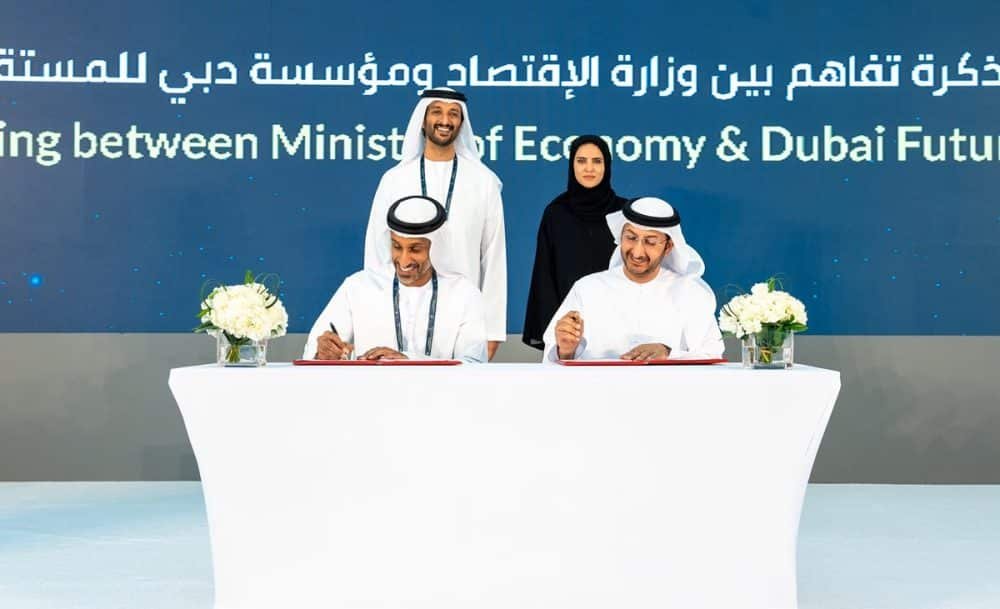
    The platform was announced during the “IP2024: Glimpse on the Future of IP” event at the Museum of the Future, where a Memorandum of Understanding was signed between the UAE Ministry of Economy and DFF. The signing took place in the presence of His Excellency Abdullah Bin Touq Al Marri, Minister of Economy; H.E. Alia Abdulla Al Mazrouei, Minister of State for Entrepreneurship; His Excellency Dr. Abdul Rahman Al Muaini, Assistant Undersecretary for the Intellectual Property Rights Sector at the Ministry of Economy, and His Excellency Khalfan Belhoul, CEO of DFF.
    Under the MoU, the Ministry of Economy’s feature for registering IA will be integrated into the Dubai Intellectual Property Hub.

    Reinforcing Dubai’s position as a centre for technology, the new platform will benefit a wide range of entrepreneurs, innovators, startups, artists, creatives, innovators, researchers and academics working in fields such as creative design, sustainability, health, education and the legal sector.

    HE Abdullah Bin Touq Al Marri highlighted the UAE’s unwavering commitment to fostering a vibrant ecosystem that nurtures innovation, stimulates the development of ideas, and supports the growth of creative businesses. The nation has successfully built a comprehensive legislative and institutional framework, further bolstered by integrated services designed to protect intellectual property rights across all sectors, in alignment with international best practices. These endeavours are pivotal in realising the aspirations of the “We the UAE 2031” vision, which seeks to position the UAE as a global leader in the new economy and among the top 10 destinations worldwide for talent and creativity over the next decade.

    Al Marri added, that the launch of the Dubai IP Hub, in collaboration with the Dubai Future Foundation, marks a crucial advancement in fortifying intellectual property protections for the creative industries, both in Dubai and across the UAE. This strategic initiative equips entrepreneurs, authors, creatives, and researchers with the necessary tools and resources to secure and formalise their innovations, thereby reinforcing the nation’s economy, which is increasingly driven by creativity and innovation.

    H.E. Khalfan Belhoul said: “The collaboration with the Ministry of Economy in developing this platform is part of ongoing efforts to advance the UAE’s legislative framework, strengthen the readiness of all economic sectors, and create a robust R&D ecosystem. By providing vital tools for businesses to thrive, we aim to support their growth and expansion within the UAE, the region, and on a global scale.”

    Belhoul added: “The launch of Dubai IP Hub seeks to create a comprehensive and reliable resource for entrepreneurs, offering seamless access to essential information, resources, guidance, and cost details related to intellectual property registration. We remain committed to working with key stakeholders across government, legislative, academic, and entrepreneurial sectors to cement Dubai and the UAE’s position as global leaders in creativity and innovation.”

    Focusing on four main pillars, DIPH will provide guidelines for registering all types of intellectual property through a seamless digital experience. It will offer a comprehensive and trusted source of information as well as guidance on IP protection and commercial exploitation by providing tools and resources to develop IP strategies.

    One of the hub’s main features is a seamless digital interface that centralises all relevant information, tools, guidelines and resources in a single, easily accessible place.

  • UAE launches National Economic Registry with listing of 1.5m commercial licences

    UAE launches National Economic Registry with listing of 1.5m commercial licences

    UAE announces National Economic Registry comprising a reliable database of enterprises and businesses in the country

    The UAE has launched a National Economic Registry with a listing of around 1.5m commercial licences in the Kingdom.

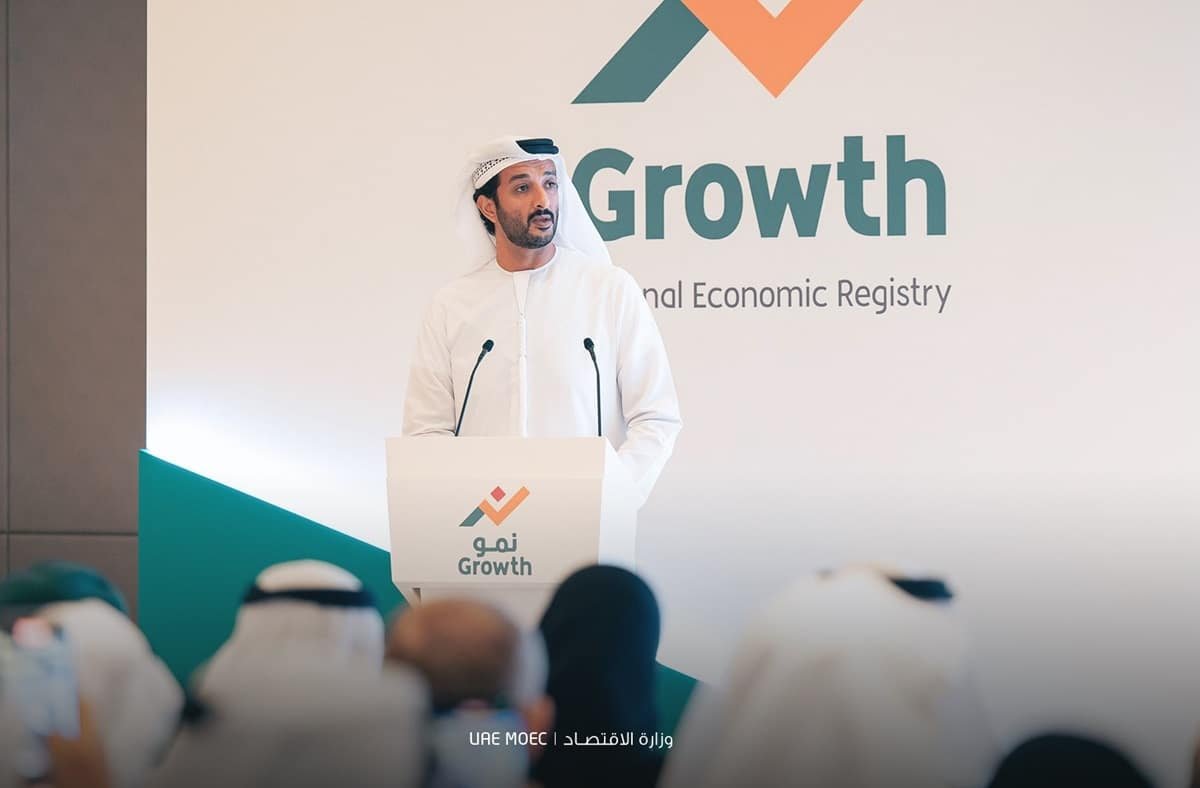
    The Ministry of Economy announced the launch of the National Economic Registry (NER) – Growth, a unified and reliable database of enterprises and business licenses across the seven emirates.

    This platform integrates the procedures and requirements for establishing businesses and conducting economic activities into a single national portal, significantly enhancing government service provision.

    UAE National Economic Registry

    Abdullah bin Touq Al Marri, Minister of Economy, emphasized that the UAE has adopted this innovative initiative to enhance the sustainable digital readiness of government entities and elevate the government services ecosystem, making it more flexible and competitive.

    Bin Touq said: “The ‘Growth’ platform is a remarkable achievement in advancing the national economy. It eliminates bureaucratic hurdles and delivers highly efficient government services, ensuring the UAE offers the best government services globally.”

    The platform provides information on more than 2,000 economic activities across the UAE and offers proactive services to a broad spectrum of users, including decision-makers, business owners, investors, and research centers.

    It enables users to inquire about any business license, access investment opportunities, and prepare studies on market trends, supporting business growth and government digital management of economic activities using AI technologies.

    Bin Touq highlighted that the NER connects 46 entities in the country, utilizing the unified economic number (ERN) to integrate data between federal and local government bodies, furthering the UAE’s digital transformation of services and reducing the need for paperwork.

    This is aligned with the ‘We the UAE 2031’ vision of enhancing the UAE’s leadership in government service provision.

    He added that the platform will be regularly updated, enhancing transparency in business performance and supporting the UAE’s global credit rating with international classification bodies.

    The platform adheres to the International Standard Classification System (ISIC4), promoting sustainable growth in strategic sectors.

    The NER also plays a critical role in the UAE’s new economic model, based on innovation and knowledge. By providing additional resources for investors and business owners, it facilitates digital business operations and currently holds 1.5m active and cancelled commercial licenses.

    Looking ahead, the Ministry of Economy plans to link the platform with 100 federal and local entities, increase services to 500, and reduce service delivery times over the next two years.

    The platform was developed in line with various economic laws, including legislation on commercial companies, the commercial register, and anti-money laundering.

  • UAE jobs: AI-powered recruitment surges 90 per cent as tech firms look to hire top talent

    UAE jobs: AI-powered recruitment surges 90 per cent as tech firms look to hire top talent

    AI is Changing the Hiring Game

    AI-driven recruitment is shooting up by 90%! Business Corporations of all scales, whether start-ups or big names, are embracing advanced tech or AI, in hiring the right people. This not only provides the leverage for hiring faster but also getting the right people onboard particularly in specialised fields like AI, blockchain, and machine learning.

    UAE: Talent Hub or Global Talent Whirlpool?

    There is no denying the fact that the UAE’s reputation speaks volumes. About 80% of businesses say that the country’s national brand is a huge advantage when it comes to attracting top-tier talent. And with the UAE steadily moving from being seen as a mere technology reseller to a true leader in innovation, it’s no wonder talent from all over the world is flocking here.

    Report also throws light on the global reach of the UAE’s talent pool. While about 48% of employers say there’s a solid local talent pool within, over 95% still seek international professionals. Sure, some tech experts might have initial misconceptions about working in the UAE, but once they arrive, those doubts quickly fade. It’s the UAE’s promise of career growth, high living standards, and a thriving tech ecosystem that keeps them here.

    Emiratization is on the Rise

    The report also highlights the increasing momentum of Emiratization. With a 110% spike in discussions across social media and job portals, there’s a growing focus on integrating more Emirati professionals into tech roles. It’s a win-win for the country, ensuring that national talent is part of this booming sector.

    Offshoring: A Key to Sustainable Growth

    Offshoring continues to be a major growth strategy, with 83% of businesses relying on it to meet their needs. Whether it’s tapping into global markets or filling specialised roles, UAE businesses are looking beyond borders to stay competitive.

    Looking Ahead

    The report is just the beginning. Leaders from leading brands like du, Coffeee, and Signum AI were on hand to share their perspectives on what’s next for the UAE’s tech talent pool. As Fahad Al Hassawi, CEO of du, put it, the UAE is well on its way to becoming a powerhouse for tech and innovation.

  • UAE launches first national geographic tag system to protect local products

    UAE launches first national geographic tag system to protect local products

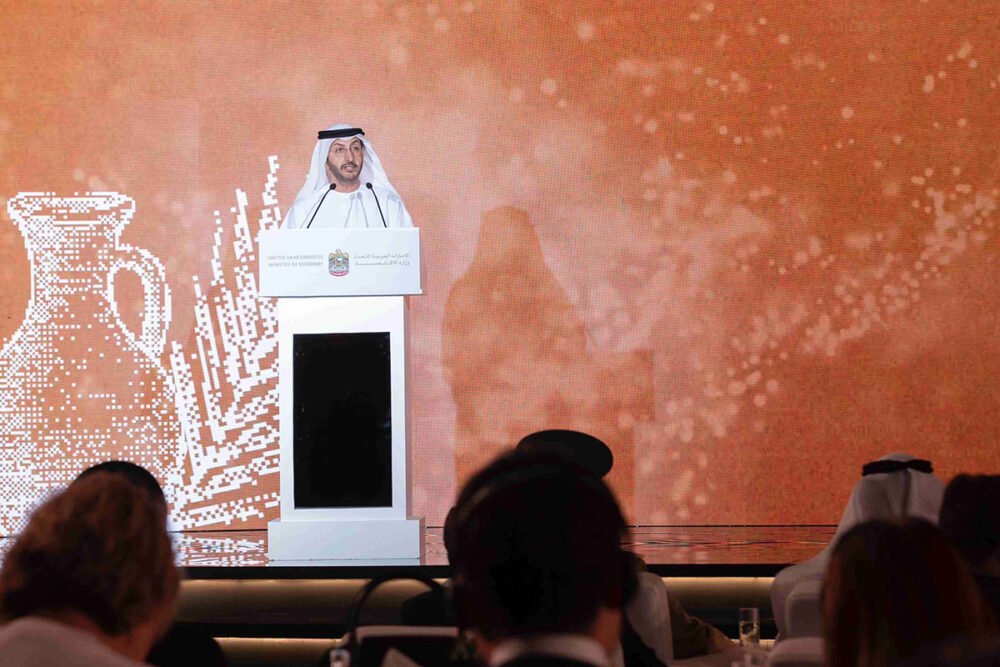
    The Ministry of Economy of the United Arab Emirates has unveiled the geographical indications (GI) system for national products, the first-of-its-kind federal initiative to protect local products with distinctive traits and qualities that come from certain geographical locations. The program seeks to open up new markets for UAE companies and improve the intellectual property protection environment for goods with national character.

    The ministry organized the launch event in cooperation with the Abu Dhabi Agriculture and Food Safety Authority, Dubai Municipality’s Food Safety Department, Ras Al Khaimah Department of Economic Development, the General Women’s Union and the Environment Agency – Abu Dhabi. The event was attended by Dhahi Khalfan, deputy chief of police in Dubai, and Abdullah Ahmed Al Saleh, under-secretary of the Ministry of Economy.

    Two-panel discussions were held during the event. The first highlighted several of the world’s best practices for GI-tagging domestic products, and the second featured successful national models that showed the value of GI-tagged products and their beneficial effects on export, promotion and national image. In recognition of their contributions to the development of the GI system, the Ministry of Economy also honoured the initiative’s partners during the occasion.

    More than 200 people attended the event, including leaders from the public and commercial sectors, senior officials, experts, specialists, the local community and other organizations involved in IP protection and sustainable development in the nation.

    In keeping with the “We the UAE 2031” vision, the UAE has adopted an ambitious plan to firmly establish itself as a worldwide centre for the new knowledge-based and innovative economy, headed by its visionary leadership. As a major facilitator of a creative and sustainable economy, the UAE has made IP protection and the advancement of its laws national priorities.

    The introduction of the GI system reflects a strong commitment to preserving the cultural character of UAE-made goods, marketing them internationally and turning them into financial assets that support community development and economic diversification.

    In line with international best practices, the UAE keeps strengthening its IP laws to make its economy more competitive. To preserve the national uniqueness of products and increase their competitiveness both domestically and globally, a specific chapter on GIs has been introduced to the trademark legislation, detailing procedures for their registration and protection.

    A new milestone in providing thorough protection for trademarks pertaining to geographic settings and national products that contain cultural and local identity is the introduction of national products with geographical indications. It accomplishes the integration of economic, knowledge-based and heritage-driven elements, opening new opportunities for their development.

  • UAE grants music management licence as streaming market tipped to hit $2.3bn

    UAE grants music management licence as streaming market tipped to hit $2.3bn

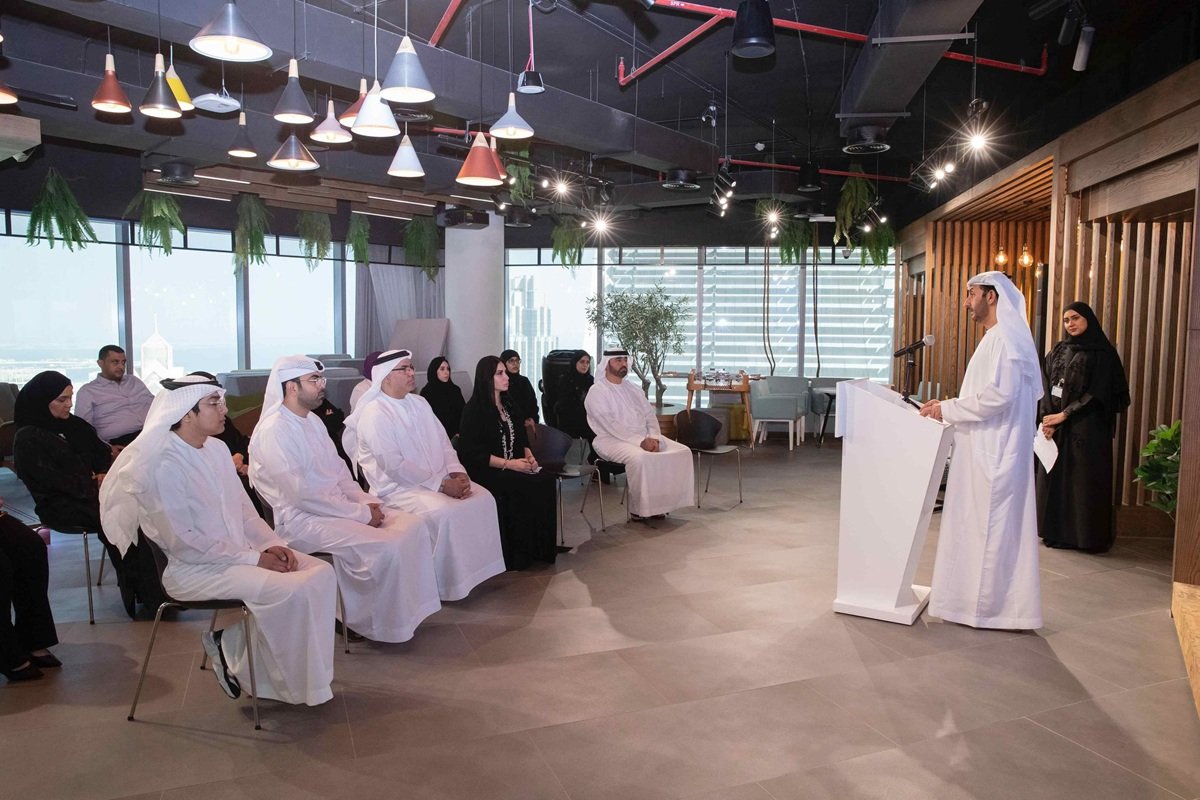
    The UAE Ministry of Economy granted its second collective music management licence to Music Nation during a ceremony held at its headquarters in Dubai. The licence authorises the organisation to manage the distribution of rights on behalf of music creators and performers, while also ensuring nationwide compliance among music platforms.

    It comes as the streaming market is tipped to hit $2.3bn by 2030 and musical artists and producers in the region look to monetise works.

    UAE music management
    The announcement was made during an event attended by Abdullah Ahmed Al Saleh, Under-Secretary of the Ministry of Economy, and Dr. Abdulrahman Hassan Al Muaini, Assistant Under-Secretary for Intellectual Property.

    The Ministry confirmed that the licence was issued in accordance with Federal Decree-Law No. 38 of 2021 concerning copyright and related rights.

    It marks the continuation of the Ministry’s efforts to strengthen intellectual property frameworks in the UAE, following the first collective management licence awarded to the Emirates Music Rights Association in April 2025.

    Al Saleh said: “Under the vision of our wise leadership, the UAE has placed strategic emphasis on enhancing the competitiveness of its cultural and creative industries, driving their growth both regionally and globally.

    “Recognising their vital role in national economic growth, we are committed to fostering public-private collaboration to cultivate an enabling environment for talent and innovation.

    “By elevating the creative economy’s legislative framework to world-class standards, we aim to expand the private sector’s participation in it, in line with the National Strategy for Cultural and Creative Industries 2031.”

    The Under-Secretary said: “The Ministry remains committed to establishing a world-class copyright governance system, drawing on international best practices. We are achieving this through strengthening legal and regulatory frameworks, fostering investment in creative sectors, and implementing robust collective management systems.

    “These measures safeguard intellectual property rights while building creators’ trust in the nation’s creative ecosystem.”

    “The collective music management licence serves as a catalyst for cultural innovation while safeguarding artists’ intellectual property rights. Through establishing transparent revenue distribution systems and fair compensation mechanisms, it elevates the UAE’s music industry – enhancing its global competitiveness and positioning our nation as a premier hub for creative enterprises”.

    Al Saleh emphasised that awarding the licence to Music Nation marks a strategic milestone in the UAE’s commitment to fostering creativity.

    The initiative unlocks new opportunities for artists, writers, and producers while strengthening rights protection and leveraging creative-economy tools – ultimately positioning the sector as a key driver of national economic growth.

    Dr. Abdulrahman Hassan Al Muaini said: “Our music industry is witnessing remarkable growth, fuelled by an expanding ecosystem of creative enterprises and world-class events. Dubai alone boasts 350 live music venues, while the national streaming market generated $841.9m in 2024 – projected to nearly triple to $2.3bn by 2030.

    “To sustain this momentum, the Ministry of Economy is prioritising robust legislative frameworks that will further catalyse the creative economy and foster artistic innovation.

    “Building on last month’s inaugural licence granted to the Emirates Music Rights Association, today marks another significant milestone with the official authorisation of Music Nation.

    “We are actively collaborating with local and global partners, including industry associations and legal experts, to share best practices that drive sector growth.

    “In tandem, we’re expanding awareness initiatives to ensure artists, composers, and producers fully leverage these licences to protect both their creative works and financial interests.”

    Rasha Khalifa Al Mubarak, Chairwoman of the Board of Directors for Music Nation, said: “Today marks a pivotal moment for the UAE and Music Nation. After years of careful planning, Music Nation is positioned to become a cornerstone of music licensing, empowering the Emirates’ vibrant creative industry.

    ‘’As an Emarati, I am honoured to establish a world-class music rights infrastructure that not only elevates local artists to greater heights, but also showcases our rich musical heritage and cultural traditions to the world.

    “In partnership with industry leaders BMI and SoundExchange, our cutting-edge technology and services will protect music rights holders and propel the UAE’s music economy to new frontiers”.

  • How to Get a Free Zone License in Dubai? Your Ultimate Guide

    How to Get a Free Zone License in Dubai? Your Ultimate Guide

    Dubai is one of the world’s top business hubs, offering endless opportunities for entrepreneurs and investors. One of the most attractive options for setting up a business in Dubai is obtaining a Free Zone Licence in Dubai. This type of licence allows businesses to operate in a Dubai Free Zone with multiple benefits, including 100% foreign ownership, tax exemptions, and a fast-tracked business setup process. If you want to start a business in Dubai, obtaining a Free Zone Licence in Dubai is a strategic and cost-effective choice.

    What is a Free Zone Licence in Dubai?

    A Free Zone Licence in Dubai is a business licence that allows companies to operate within designated Dubai Free Zones. Free Zones are special economic areas that provide foreign investors with numerous advantages, such as zero customs duties, full repatriation of profits, and exemption from corporate and personal income taxes. Entrepreneurs who want to start a business in Dubai with minimal restrictions find Free Zone Licences in Dubai highly beneficial.

    Benefits of a Free Zone Licence in Dubai

    When you obtain a Free Zone Licence in Dubai, you gain access to several business advantages, including:

    100% Foreign Ownership – Unlike mainland businesses, a Free Zone Licence in Dubai allows complete foreign ownership without needing a local sponsor.

    Tax Benefits – Free Zone companies in Dubai are exempt from corporate tax, income tax, and VAT in most cases.

    Fast Business Setup – A Free Zone Licence in Dubai can be issued within days, allowing you to start operations quickly.

    Full Profit Repatriation – Investors can transfer all profits and capital outside of the UAE without restrictions.

    Easy Company Formation – With simplified registration, documentation, and business regulations, starting a business in Dubai through a Free Zone is hassle-free.

    Access to World-Class Infrastructure – Dubai Free Zones offer state-of-the-art offices, warehouses, and logistics hubs for different business types.

    How to Obtain a Free Zone Licence in Dubai

    The process of getting a Free Zone Licence in Dubai is straightforward. Here’s what you need to do:

    1. Choose a Free Zone

    Dubai has over 30 Free Zones, each catering to different industries. Popular Dubai Free Zones include:

    Dubai Silicon Oasis (DSO) – Ideal for tech startups and IT businesses.

    Dubai Multi Commodities Centre (DMCC) – Best for trading, commodities, and financial services.

    Dubai Media City (DMC) – Perfect for media, advertising, and digital businesses.

    Jebel Ali Free Zone (JAFZA) – Suited for industrial and logistics companies.

    Dubai International Financial Centre (DIFC) – Ideal for finance and investment firms.

    2. Select Your Business Activity

    Different Dubai Free Zones have specific activity lists. Choosing the right activity is crucial for obtaining the right Free Zone Licence in Dubai.

    3. Register Your Company Name

    Your business name must comply with UAE naming regulations and should not include offensive or religious terms.

    4. Submit Required Documents

    To apply for a Free Zone Licence in Dubai, you need to submit:

    Passport copies of shareholders and directors

    Business plan (if required)

    Proof of residence

    NOC from a current employer (if applicable)

    5. Obtain Your Free Zone Licence

    Once your documents are approved, you will receive your Free Zone Licence in Dubai, allowing you to start your operations.

    Best Free Zone Licence in Dubai for Your Business

    If you want to start a business in Dubai, choosing the right Free Zone Licence in Dubai depends on your business needs. Whether you’re in tech, media, trading, or logistics, there’s a Dubai Free Zone that suits your industry.

    Start a Business in Dubai Today!

    With a Free Zone License in Dubai, you can enjoy maximum business flexibility, tax savings, and a seamless setup process. If you’re ready to start a business in Dubai, our experts at Tafreed can assist you in selecting the best Free Zone Licence in Dubai to match your needs. Contact us today and take the first step towards business success in Dubai Free Zones!

  • How to Register for Corporate Tax and VAT in Dubai?

    How to Register for Corporate Tax and VAT in Dubai?

    Dubai is a global business hub, attracting entrepreneurs and corporations with its investor-friendly policies. Understanding corporate tax in Dubai and VAT registration in Dubai is essential for businesses to remain compliant and efficient. Whether you are setting up a new business or already operating in Dubai, knowing the latest corporate tax laws in Dubai and VAT registration requirements in Dubai is crucial to avoid penalties and ensure business growth.

    What is Corporate Tax in Dubai?

    The UAE has introduced corporate tax in Dubai, effective from June 1, 2023. Businesses must comply with this new tax regime to ensure smooth operations. Corporate tax in Dubai is applicable to businesses earning profits above AED 375,000, with a standard corporate tax rate of 9%. Every company must assess its corporate tax obligations in Dubai to stay compliant.

    Key Features of Corporate Tax in Dubai

    9% Corporate Tax in Dubai – Businesses earning above AED 375,000 must pay a 9% corporate tax in Dubai.

    0% Tax for Small Businesses – Businesses earning below AED 375,000 remain tax-exempt from corporate tax in Dubai.

    Corporate Tax-Free Free Zones in Dubai – Certain Dubai Free Zones offer tax exemptions, making them attractive for startups and international investors.

    Corporate Tax Exemptions in Dubai – Some sectors, such as agriculture, healthcare, and public benefit organizations, may qualify for tax exemptions under corporate tax in Dubai.

    How to Register for Corporate Tax in Dubai?

    To comply with corporate tax in Dubai, businesses must complete the corporate tax registration process in Dubai through the UAE’s Federal Tax Authority (FTA):

    Create an FTA Account for Corporate Tax in Dubai – Register your business on the FTA portal.

    Submit Business Details for Corporate Tax in Dubai – Provide company name, trade license, and financial statements.

    Obtain Corporate Tax Registration Number (TRN) in Dubai – Once registered, businesses receive a Tax Registration Number (TRN) for corporate tax in Dubai.

    File Corporate Tax Returns in Dubai – Submit annual tax returns to comply with corporate tax in Dubai regulations.

    VAT Registration in Dubai

    In addition to corporate tax in Dubai, businesses must comply with VAT registration in Dubai. The UAE introduced Value Added Tax (VAT) in Dubai at a standard rate of 5% on goods and services. Every taxable business must complete VAT registration in Dubai to avoid penalties.

    Who Needs VAT Registration in Dubai?

    Businesses with an annual turnover exceeding AED 375,000 must register for VAT in Dubai.

    Voluntary VAT registration in Dubai is available for businesses with an annual turnover above AED 187,500.

    Free Zone companies must check if they are subject to VAT registration in Dubai, depending on their operations.

    Steps for VAT Registration in Dubai

    Register on the FTA Portal for VAT in Dubai – Businesses must complete their VAT registration in Dubai through the UAE’s Federal Tax Authority.

    Provide Business Information for VAT Registration in Dubai – Submit trade license details, financial records, and business activities.

    Obtain VAT Registration Number (TRN) in Dubai – After approval, businesses receive a VAT registration number in Dubai.

    Issue VAT-Compliant Invoices in Dubai – Businesses must include VAT in Dubai invoices and charge 5% VAT on taxable goods and services.

    File VAT Returns in Dubai – Registered businesses must file VAT returns quarterly to comply with VAT registration in Dubai regulations.

    Benefits of Corporate Tax and VAT Registration in Dubai

    Corporate Tax Compliance in Dubai – Avoid penalties and ensure smooth business operations by complying with corporate tax and VAT registration in Dubai.

    International Business Credibility with Corporate Tax in Dubai – A registered business with corporate tax and VAT in Dubai gains credibility with global investors.

    Efficient Financial Management with VAT and Corporate Tax in Dubai – Understanding corporate tax in Dubai and VAT registration in Dubai helps businesses manage finances efficiently.

    Government Incentives for Compliant Businesses in Dubai – Companies complying with corporate tax and VAT in Dubai may qualify for tax incentives and government support.

    Get Expert Help for Corporate Tax and VAT Registration in Dubai

    Navigating corporate tax in Dubai and VAT registration in Dubai can be complex. Our experts can assist with corporate tax registration in Dubai, VAT registration in Dubai, and tax compliance to ensure your business remains fully compliant. Contact us today for seamless tax solutions and professional guidance in corporate tax and VAT registration in Dubai!

  • How to Start a Business in Dubai & It’s Advantages

    How to Start a Business in Dubai & It’s Advantages

    Dubai is a global business hub, attracting entrepreneurs from all over the world. Starting a business in Dubai offers immense opportunities due to its strategic location, tax benefits, and world-class infrastructure. If you are considering starting a business in Dubai, you must understand the key steps and requirements to ensure a smooth setup process.

    Why Start a Business in Dubai?

    Starting a business in Dubai comes with several advantages, making it a top destination for investors:

    100% Foreign Ownership – In many sectors, you can fully own your business without a local sponsor.

    Tax Benefits – Dubai offers a 0% personal income tax and low corporate tax rates.

    Strategic Location – Dubai serves as a gateway to the Middle East, Asia, and Africa.

    World-Class Infrastructure – Access to high-tech facilities, transportation, and logistics hubs.

    Business-Friendly Regulations – Streamlined procedures for starting a business in Dubai.

    Steps for Starting a Business in Dubai

    To successfully start a business in Dubai, follow these essential steps:

    Choose Your Business ActivityIdentify the type of business you want to establish. Dubai offers diverse opportunities across sectors like trading, technology, real estate, and tourism.

    Select the Right Business JurisdictionDubai has three main business jurisdictions:

    Mainland – Ideal for businesses that want to operate across the UAE.

    Free Zone – Offers 100% foreign ownership and tax benefits.

    Offshore – Best for international operations and asset protection.

    Register a Trade NameYour trade name must comply with UAE naming regulations and should be unique to your business.

    Obtain a Business LicenseDepending on your activity, you need to apply for one of the following:

    Commercial License – For trading businesses.

    Professional License – For service-based businesses.

    Industrial License – For manufacturing businesses.

    Secure Office SpaceStarting a business in Dubai requires a physical address. Choose from serviced offices, co-working spaces, or dedicated commercial premises.

    Complete Visa and Immigration ProceduresInvestors and employees must apply for residency visas to legally work and live in Dubai.

    Open a Corporate Bank AccountTo operate legally, businesses must open a corporate bank account in Dubai.

    Cost of Starting a Business in Dubai

    The cost of starting a business in Dubai varies based on the business type, location, and licensing fees. Key expenses include:

    Business license fees

    Office rental costs

    Visa and immigration costs

    Initial capital investment (if required)

    Get Expert Assistance for Starting a Business in Dubai

    Navigating the process of starting a business in Dubai can be complex. Our experts provide end-to-end support to help you with licensing, company formation, and compliance. Contact us today to kickstart your journey in Dubai’s thriving business landscape!